Businesses today operate in an increasingly digital environment where speed, efficiency, and innovation determine long-term success. Organizations of every size are adopting advanced software, cloud computing, artificial intelligence, and automation to simplify operations and remain competitive. As technology continues to evolve, companies need reliable digital solutions that improve productivity while reducing operational costs.
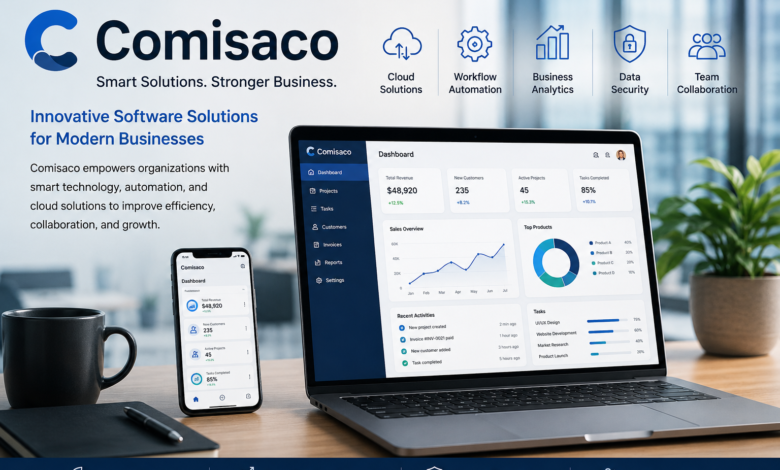
Comisaco represents the growing interest in business technology, software solutions, and digital transformation. Whether a company wants to automate daily tasks, improve collaboration, manage customer relationships, or analyze business data, modern software platforms play a critical role in achieving these objectives.
This guide explores the importance of Comisaco, how business software supports organizations, the technologies behind digital transformation, and why investing in modern digital solutions has become essential for sustainable growth.
What Is Comisaco?
Comisaco is a technology-focused keyword associated with business software, digital innovation, and modern enterprise solutions. It reflects the growing demand for platforms that help businesses improve efficiency, manage resources effectively, and make informed decisions using real-time data.
Instead of relying on manual processes, organizations now use integrated software systems to handle multiple business functions from a single platform.
Common business software functions include:
- Customer relationship management (CRM)
- Accounting and finance
- Inventory management
- Project planning
- Employee management
- Workflow automation
- Document storage
- Business analytics
- Team collaboration
- Reporting dashboards
Centralizing these operations improves productivity while reducing errors caused by manual work.
Why Businesses Need Modern Technology
Technology has become one of the most valuable business investments. Companies that adopt digital tools often experience improved efficiency and stronger customer relationships.
Increased Productivity
Employees spend less time performing repetitive administrative tasks because software automates many routine processes.
Better Decision-Making
Real-time reports and analytics help managers identify trends, monitor performance, and make informed business decisions.
Improved Collaboration
Cloud-based platforms allow employees to work together from different locations while accessing the same information securely.
Higher Customer Satisfaction
Modern software helps businesses respond quickly to customer inquiries, track support requests, and personalize services.
Cost Reduction
Automation reduces paperwork, minimizes operational mistakes, and improves resource management, resulting in lower operating costs.
Core Features of Business Software
Business software continues evolving with technologies designed to simplify everyday operations.
Cloud Computing
Cloud technology enables secure access to business applications from virtually anywhere.
Benefits include:
- Remote access
- Automatic backups
- Lower infrastructure costs
- Easy software maintenance
- Flexible scalability
- Improved collaboration
Cloud computing also supports hybrid and remote work environments, making it easier for distributed teams to stay connected.
Workflow Automation
Automation replaces repetitive manual tasks with digital workflows.
Examples include:
- Invoice approvals
- Purchase requests
- Customer support tickets
- Appointment scheduling
- Employee onboarding
- Email notifications
- Report generation
Automation reduces delays while improving consistency across departments.
Data Analytics
Every business generates valuable information through sales, customer interactions, inventory, and financial activities.
Analytics platforms help organizations understand:
- Customer purchasing behavior
- Sales performance
- Marketing effectiveness
- Employee productivity
- Financial trends
- Operational efficiency
These insights support smarter planning and long-term growth strategies.
Security
Protecting sensitive business information is essential.
Modern software commonly includes:
- Multi-factor authentication
- Encrypted communication
- Secure cloud storage
- Access control permissions
- Activity monitoring
- Automatic security updates
These features help reduce cybersecurity risks while protecting customer and business data.
Digital Transformation
Digital transformation involves redesigning business processes using modern technology rather than simply replacing paper with digital documents.
Organizations use digital transformation to:
- Improve customer experiences
- Increase operational efficiency
- Reduce costs
- Simplify communication
- Support remote work
- Improve business agility
Companies that successfully embrace digital transformation often adapt more quickly to changing market conditions.
Artificial Intelligence in Business
Artificial intelligence is changing how organizations operate.
AI-powered software can:
- Analyze customer behavior
- Automate customer support
- Predict future demand
- Detect unusual transactions
- Recommend products
- Generate business insights
- Optimize inventory levels
AI helps organizations make faster decisions while improving customer experiences and operational efficiency.
Machine Learning Applications
Machine learning allows systems to improve over time by analyzing historical information.
Businesses use machine learning for:
- Sales forecasting
- Fraud detection
- Customer segmentation
- Predictive maintenance
- Personalized recommendations
- Demand forecasting
As businesses collect more data, machine learning becomes increasingly valuable for strategic planning.
Business Collaboration Tools
Communication is essential for productivity.
Modern collaboration platforms allow employees to:
- Share files securely
- Manage projects
- Schedule meetings
- Assign tasks
- Track deadlines
- Communicate in real time
These tools improve teamwork regardless of physical location.
Industries Benefiting from Business Software
Technology supports organizations across nearly every industry.
Healthcare
Hospitals and clinics manage appointments, patient records, billing, and secure communication through digital systems.
Retail
Retail businesses improve inventory control, customer engagement, and online shopping experiences.
Manufacturing
Manufacturers monitor production schedules, quality control, equipment performance, and supply chains.
Education
Schools and universities deliver online learning, manage student information, and improve communication.
Finance
Banks and financial institutions rely on secure software for reporting, compliance, customer management, and fraud prevention.
Logistics
Transportation companies use software to optimize routes, monitor deliveries, and improve supply chain visibility.
Benefits of Cloud-Based Platforms
Cloud technology continues transforming modern businesses.
Advantages include:
- Reduced IT costs
- Automatic software updates
- High availability
- Secure data storage
- Business continuity
- Disaster recovery
- Easy expansion
- Improved accessibility
Cloud platforms provide flexibility while reducing the need for expensive on-premises infrastructure.
Why Businesses Invest in Digital Innovation
Organizations increasingly invest in technology because it delivers measurable business value.
Digital innovation helps businesses:
- Increase efficiency
- Improve customer satisfaction
- Reduce manual work
- Strengthen security
- Improve decision-making
- Support business growth
- Encourage innovation
- Stay competitive
Companies that continuously improve their digital capabilities are often better prepared for future challenges.