Industrial Technology
Industrial Technology: Driving Innovation and Efficiency in Modern Industries

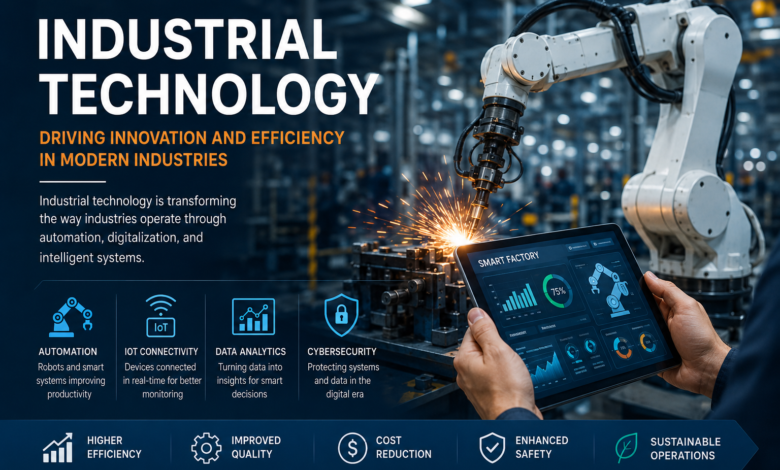
Industrial Technology: Driving Innovation and Efficiency in Modern Industries
Industrial technology has become one of the most important forces shaping the modern world. From manufacturing plants and construction sites to energy production and logistics operations, technology plays a critical role in improving efficiency, productivity, and quality. As industries continue to evolve in response to changing market demands, industrial technology provides the tools and systems necessary to remain competitive and sustainable.
In simple terms, industrial technology refers to the application of engineering, scientific knowledge, and technological innovations to industrial processes. It combines machinery, automation, software, and data analysis to improve the way products are designed, manufactured, and distributed. Over the past few decades, industrial technology has transformed traditional industries and created new opportunities for economic growth and innovation.
The Evolution of Industrial Technology
The development of industrial technology can be traced back to the Industrial Revolution, when machines began replacing manual labor in factories. Steam engines, mechanized production systems, and improved transportation networks revolutionized manufacturing and increased production capacity.
As technology advanced, industries adopted electricity, assembly lines, and computerized systems. The introduction of computers in the twentieth century marked a significant turning point. Digital technologies enabled businesses to automate complex tasks, improve accuracy, and manage large-scale operations more effectively.
Today, industrial technology is entering a new phase known as Industry 4.0. This era is characterized by smart factories, connected devices, artificial intelligence, and real-time data analysis. These technologies allow companies to optimize production processes, reduce waste, and respond quickly to market changes.
Key Components of Industrial Technology
Several technologies work together to create modern industrial systems. One of the most important components is automation. Automated machines and robotic systems perform repetitive tasks with high precision and consistency. This reduces human error and increases production speed.
Another critical element is data analytics. Modern industries generate large amounts of data through sensors and connected devices. By analyzing this information, businesses can identify patterns, predict equipment failures, and make informed decisions.
Artificial intelligence is also becoming increasingly important. AI-powered systems can monitor operations, optimize workflows, and improve quality control. Machine learning algorithms help organizations discover insights that would be difficult to identify through traditional methods.
The Internet of Things (IoT) is another key driver of industrial innovation. IoT devices connect machines, equipment, and systems through the internet, enabling real-time communication and monitoring. This connectivity helps businesses improve efficiency and reduce operational costs.
Applications Across Industries
Industrial technology is used in a wide range of sectors. In manufacturing, advanced machinery and automation systems streamline production processes and improve product quality. Smart factories can monitor production in real time and quickly adapt to changing requirements.
The energy sector also benefits from industrial technology. Power plants use advanced monitoring systems to improve efficiency and ensure reliable energy generation. Renewable energy facilities rely on sophisticated technologies to manage resources and optimize performance.
In the construction industry, technology enhances project planning, resource management, and safety. Modern construction equipment, digital design tools, and automated systems help complete projects faster and more accurately.
Transportation and logistics companies use industrial technology to improve supply chain operations. GPS tracking, automated warehouses, and intelligent inventory systems enable businesses to manage goods more efficiently and meet customer expectations.
Healthcare manufacturing is another area where industrial technology plays a significant role. Pharmaceutical companies use advanced production systems to ensure precision, quality, and regulatory compliance in the development of medical products.
Benefits of Industrial Technology
The adoption of industrial technology offers numerous advantages. One of the most significant benefits is increased productivity. Automated systems can operate continuously and perform tasks more efficiently than manual methods.
Improved product quality is another major advantage. Advanced technologies help maintain consistent standards and reduce defects during production. This leads to greater customer satisfaction and stronger brand reputation.
Cost reduction is also an important benefit. By optimizing processes and minimizing waste, businesses can lower operational expenses and improve profitability. Predictive maintenance systems help prevent costly equipment failures by identifying potential issues before they occur.
Industrial technology also enhances workplace safety. Automated machinery can perform dangerous tasks, reducing the risk of accidents and injuries. Monitoring systems provide real-time insights into workplace conditions, helping organizations maintain safe environments.
Environmental sustainability is becoming increasingly important, and industrial technology supports this goal. Energy-efficient systems, smart resource management, and waste reduction strategies help companies minimize their environmental impact while maintaining productivity.
Challenges and Considerations
Despite its many benefits, industrial technology presents certain challenges. One major concern is the cost of implementation. Advanced equipment, software, and infrastructure often require significant investment, which can be difficult for smaller businesses.
Cybersecurity is another critical issue. As industrial systems become more connected, they become potential targets for cyber threats. Organizations must invest in robust security measures to protect sensitive data and maintain operational continuity.
Workforce adaptation is also an important consideration. Employees need training to operate and manage advanced technologies effectively. Companies must invest in skill development programs to ensure workers can thrive in increasingly digital environments.
Additionally, rapid technological change can make existing systems obsolete. Businesses must continuously evaluate new technologies and update their infrastructure to remain competitive.
The Future of Industrial Technology
The future of industrial technology looks promising. Emerging technologies such as artificial intelligence, advanced robotics, digital twins, and edge computing are expected to further transform industrial operations. These innovations will enable businesses to achieve higher levels of efficiency, flexibility, and sustainability.
Smart factories will become more intelligent and autonomous, allowing production systems to adapt automatically to changing conditions. Real-time decision-making and predictive analytics will improve operational performance and reduce downtime.
Sustainability will remain a key focus area. Future industrial technologies will help organizations reduce energy consumption, lower emissions, and use resources more responsibly. This will support global efforts to create a more sustainable and environmentally friendly industrial sector.
Conclusion
Industrial technology is a powerful driver of progress in the modern economy. By integrating automation, digital systems, artificial intelligence, and connected devices, industries can improve productivity, quality, and sustainability. Although challenges such as implementation costs and cybersecurity concerns exist, the benefits of industrial technology far outweigh the obstacles.
As innovation continues to accelerate, industrial technology will play an even greater role in shaping the future of manufacturing, energy, construction, healthcare, and many other sectors. Organizations that embrace technological advancement will be better positioned to compete, grow, and succeed in an increasingly digital world.