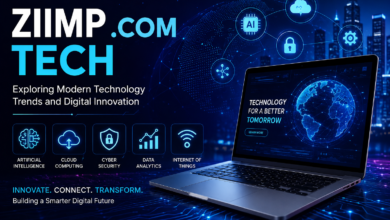
Technology continues to reshape the modern world at an unprecedented pace. From artificial intelligence and cloud computing to cybersecurity and automation, digital innovation influences nearly every aspect of our personal and professional lives. As businesses and individuals navigate this rapidly changing environment, access to reliable technology information becomes increasingly important.
RoarTechMental Tech InfoGuide by RipRoar represents a modern approach to understanding technology trends, emerging innovations, and practical digital solutions. Whether someone is a technology enthusiast, business owner, student, or professional, staying informed about technological developments is essential for success in today’s connected world.
This guide explores key technology trends, their impact on society, and the opportunities they create for the future.
The Growing Importance of Technology
Technology has become one of the most powerful drivers of global progress. Organizations rely on digital tools to improve efficiency, enhance communication, and create innovative products and services.
Modern technology influences numerous industries, including:
- Healthcare
- Education
- Finance
- Manufacturing
- Retail
- Transportation
- Entertainment
As digital transformation continues accelerating, businesses that embrace innovation often gain significant competitive advantages.
Technology no longer serves as a support function alone. It has become a strategic asset that shapes long-term growth and development.
Artificial Intelligence Is Transforming Industries
Artificial intelligence remains one of the most influential technological advancements of the modern era. AI systems can analyze large volumes of data, identify patterns, automate tasks, and assist decision-making processes.
Organizations increasingly use artificial intelligence for:
- Customer service automation
- Predictive analytics
- Fraud detection
- Personalized recommendations
- Business intelligence
- Process optimization
AI-powered tools help companies reduce costs, improve efficiency, and deliver better customer experiences.
As machine learning algorithms continue evolving, AI applications are expected to become even more sophisticated and valuable.
Cloud Computing and Business Flexibility
Cloud computing has transformed how organizations manage technology infrastructure. Instead of relying solely on physical servers, businesses can access computing resources through internet-based platforms.
Cloud technology offers several benefits:
Scalability
Organizations can quickly expand or reduce resources based on changing requirements.
Cost Efficiency
Businesses avoid significant hardware investments while paying only for the resources they use.
Accessibility
Employees can access data and applications from virtually any location.
Security
Leading cloud providers invest heavily in cybersecurity measures and infrastructure protection.
Cloud computing continues to play a critical role in digital transformation initiatives worldwide.
Cybersecurity in the Digital Age
As digital technologies become increasingly interconnected, cybersecurity has emerged as a top priority.
Cyber threats continue evolving in sophistication, targeting businesses, governments, and individuals. Common security risks include:
- Phishing attacks
- Malware infections
- Data breaches
- Ransomware incidents
- Identity theft
Effective cybersecurity strategies include:
- Strong password management
- Multi-factor authentication
- Regular software updates
- Employee training
- Data encryption
- Continuous monitoring
Protecting digital assets remains essential for maintaining trust and business continuity.
The Rise of Automation
Automation technology is helping organizations improve productivity and reduce repetitive workloads.
Businesses use automation to streamline:
- Data entry
- Customer support
- Inventory management
- Marketing campaigns
- Financial reporting
- Workflow management
Automation allows employees to focus on higher-value activities that require creativity, strategic thinking, and human interaction.
As automation technology advances, organizations will continue discovering new ways to optimize operations.
The Impact of Mobile Technology
Mobile devices have transformed how people communicate, work, shop, and consume information.
Modern smartphones provide access to:
- Communication platforms
- Productivity tools
- Entertainment services
- Educational resources
- Financial applications
Mobile technology enables individuals to remain connected regardless of location.
Businesses increasingly prioritize mobile-first strategies to meet changing customer expectations and behavior patterns.
Data and Analytics Drive Better Decisions
Data has become one of the most valuable resources in the digital economy.
Organizations collect and analyze information to gain insights into:
- Customer behavior
- Market trends
- Operational performance
- Financial results
- Product effectiveness
Advanced analytics platforms help businesses transform raw data into actionable intelligence.
Companies that effectively leverage data often make faster and more informed decisions than competitors.
Emerging Technologies Shaping the Future
Several emerging technologies are expected to significantly influence future innovation.
Internet of Things (IoT)
Connected devices enable real-time monitoring, automation, and data collection across various environments.
Virtual Reality
Immersive technologies are transforming entertainment, education, and professional training.
Blockchain
Distributed ledger systems improve transparency, security, and transaction efficiency.
Edge Computing
Processing data closer to its source reduces latency and improves performance.
Quantum Computing
Although still developing, quantum computing has the potential to solve complex problems beyond the capabilities of traditional computers.
These innovations may redefine how businesses and individuals interact with technology in the coming years.
Digital Skills for the Future Workforce
As technology evolves, digital literacy becomes increasingly important.
Professionals benefit from developing skills in:
- Data analysis
- Cybersecurity awareness
- Artificial intelligence
- Cloud computing
- Digital communication
- Problem-solving
Continuous learning helps individuals remain competitive in a rapidly changing job market.
Organizations also invest in employee training programs to support digital transformation efforts.
The Future Vision of RoarTechMental Tech InfoGuide by RipRoar
RoarTechMental Tech InfoGuide by RipRoar highlights the importance of staying informed about technological developments and innovation trends.
Future technology advancements are expected to create:
- Smarter business systems
- Enhanced digital experiences
- Greater automation
- Improved connectivity
- Stronger cybersecurity solutions
- More personalized services
Understanding these developments helps individuals and organizations prepare for future opportunities and challenges.
Conclusion
RoarTechMental Tech InfoGuide by RipRoar serves as a valuable perspective on the technologies shaping today’s digital world. From artificial intelligence and cloud computing to cybersecurity and automation, innovation continues transforming industries and creating new possibilities.
As technology becomes increasingly integrated into daily life, staying informed is more important than ever. Businesses, professionals, and technology enthusiasts who embrace continuous learning and adaptation will be best positioned to thrive in the digital future.
The journey of technological innovation is ongoing, and the future promises even greater advancements that will continue reshaping the way we live, work, and connect.