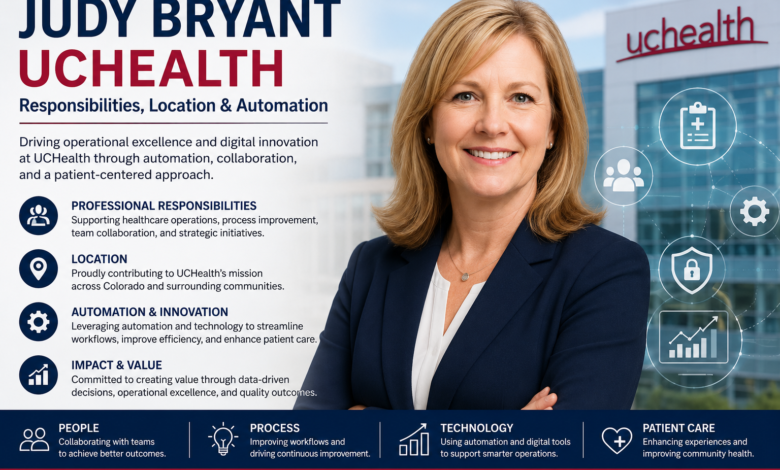
The healthcare industry is rapidly embracing digital transformation to improve operational efficiency, patient care, and collaboration among healthcare professionals. Technologies such as workflow automation, cloud computing, artificial intelligence (AI), and electronic health records (EHRs) are changing how hospitals and healthcare systems manage both clinical and administrative tasks.
Interest in the keyword “Judy Bryant UCHealth LinkedIn Responsibilities Location Automation” reflects a broader curiosity about healthcare leadership, professional responsibilities, career development, and the role of automation in modern healthcare organizations. While public professional profiles can provide insight into job functions and industry trends, the larger story is how healthcare organizations use technology to improve patient services and internal operations.
This article explores healthcare automation, common responsibilities in healthcare operations, the importance of professional networking, and the technologies driving digital transformation across the healthcare sector.
The Growing Importance of Healthcare Technology
Healthcare organizations manage enormous amounts of information every day. From patient scheduling and medical records to billing and supply management, efficient digital systems are essential for delivering quality care.
Modern healthcare technology helps organizations:
- Improve patient experiences
- Reduce administrative workload
- Increase operational efficiency
- Enhance communication between departments
- Support data-driven decision-making
- Strengthen information security
- Improve regulatory compliance
Digital innovation enables healthcare professionals to spend more time focusing on patient care rather than repetitive administrative tasks.
Understanding Healthcare Operations
Healthcare operations involve coordinating the people, processes, and technology required to keep hospitals and medical facilities running efficiently.
Typical operational responsibilities include:
Patient Scheduling
Managing appointments, reducing wait times, and ensuring healthcare providers have organized daily schedules.
Resource Management
Tracking medical equipment, staffing, supplies, and facility resources.
Financial Administration
Supporting billing, insurance processing, budgeting, and revenue cycle management.
Regulatory Compliance
Healthcare organizations must follow strict regulations designed to protect patient privacy and ensure safe medical practices.
Quality Improvement
Monitoring operational performance helps identify opportunities to improve efficiency and patient satisfaction.
Common Professional Responsibilities
Healthcare professionals working in administrative, operational, or technology-focused positions often contribute to several key areas.
Workflow Management
Developing efficient processes that reduce delays and improve collaboration across departments.
Team Collaboration
Working with physicians, nurses, administrators, and technical specialists to achieve organizational goals.
Data Management
Maintaining accurate records while ensuring information is secure and accessible to authorized personnel.
Process Improvement
Evaluating existing workflows and implementing technology solutions that improve productivity.
Technology Adoption
Helping healthcare teams successfully implement and use new software platforms and digital tools.
The Role of Automation in Healthcare
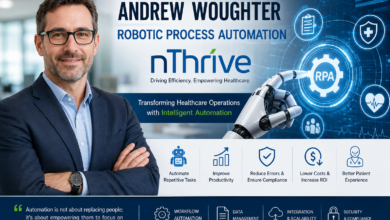
Automation has become one of the most valuable technologies in modern healthcare.
Rather than replacing healthcare professionals, automation reduces repetitive administrative work and supports faster, more consistent processes.
Examples include:
- Appointment reminders
- Patient registration
- Insurance verification
- Medical billing
- Claims processing
- Document management
- Staff scheduling
- Laboratory reporting
Automated workflows reduce manual effort while helping organizations maintain accuracy.
Artificial Intelligence in Healthcare
Artificial intelligence is expanding the capabilities of healthcare technology.
AI-powered systems assist organizations by:
- Identifying trends in healthcare data
- Supporting diagnostic decision-making
- Predicting patient demand
- Improving scheduling efficiency
- Optimizing resource allocation
- Assisting customer support through virtual assistants
Although AI supports decision-making, healthcare professionals remain responsible for clinical judgment and patient care.
Electronic Health Records (EHRs)
Electronic Health Records have become a foundation of modern healthcare operations.
EHR systems allow authorized providers to:
- Access patient histories
- Review laboratory results
- Manage prescriptions
- Document treatments
- Coordinate care across departments
Digital records improve communication while reducing paperwork and duplicate documentation.
Why Professional Networking Matters
Professional networking platforms help individuals connect with colleagues, explore career opportunities, and share industry knowledge.
Healthcare professionals commonly use networking to:
- Build professional relationships
- Learn about industry trends
- Discover educational opportunities
- Explore career development
- Share achievements and certifications
- Participate in professional discussions
Maintaining an updated professional profile can help individuals demonstrate skills and experience while connecting with others in their field.
Digital Transformation Across Healthcare
Digital transformation is more than implementing new software—it involves redesigning processes to improve patient care and organizational performance.
Healthcare organizations often invest in:
- Cloud computing
- Workflow automation
- Secure communication platforms
- Business intelligence tools
- Cybersecurity solutions
- Mobile healthcare applications
- Telehealth services
These technologies improve collaboration while supporting faster and more informed decision-making.
Benefits of Healthcare Automation
Organizations adopting automation often experience several important advantages.
Greater Efficiency
Routine administrative work is completed faster with fewer manual steps.
Improved Accuracy
Automated systems reduce data entry errors and maintain consistent workflows.
Better Patient Experience
Faster scheduling, improved communication, and streamlined administrative processes contribute to higher patient satisfaction.
Cost Savings
Reducing repetitive tasks helps organizations use staff time and operational resources more effectively.
Stronger Compliance
Automated systems can support documentation, auditing, and standardized procedures that help organizations meet regulatory requirements.
Healthcare organizations continue to expand the use of automation because it supports both operational excellence and high-quality patient care.
Future Trends in Healthcare Automation
Healthcare technology continues to evolve as organizations adopt smarter digital tools to improve patient care and operational performance. Automation is expected to become even more advanced through the integration of artificial intelligence, machine learning, and cloud-based platforms.
Key trends include:
Artificial Intelligence–Powered Workflows
AI can analyze large volumes of healthcare data to identify patterns, improve scheduling, and support administrative decision-making.
Robotic Process Automation (RPA)
Healthcare organizations increasingly use software bots to automate repetitive tasks such as insurance verification, claims processing, appointment reminders, and report generation.
Cloud Computing
Cloud platforms allow healthcare professionals to securely access authorized information from multiple locations while supporting collaboration across departments.
Predictive Analytics
Healthcare providers use predictive analytics to forecast patient demand, allocate resources efficiently, and improve operational planning.
Telehealth Expansion
Virtual healthcare services continue to grow, allowing patients to consult healthcare providers remotely while reducing travel time and improving access to care.
Challenges of Implementing Automation
Although automation offers significant benefits, successful implementation requires careful planning.
Employee Training
Staff members need appropriate training to use new software and automated systems effectively.
Data Security
Healthcare organizations must protect sensitive patient information through strong cybersecurity measures, including encryption, secure authentication, and regular system updates.
System Integration
Hospitals often use multiple software platforms. Ensuring these systems work together smoothly is essential for efficient operations.
Change Management
Introducing new technologies may require adjustments to existing workflows. Clear communication and leadership support help employees adapt to these changes.
Regulatory Compliance
Healthcare providers must ensure automated systems comply with applicable privacy and healthcare regulations while maintaining accurate documentation.
Best Practices for Digital Transformation
Organizations can improve the success of healthcare automation by following proven strategies.
Evaluate Existing Processes
Before implementing automation, organizations should identify repetitive tasks that consume valuable staff time.
Select Reliable Technology
Choosing scalable and secure software solutions helps support long-term operational goals.
Focus on User Experience
Technology should simplify workflows rather than create unnecessary complexity for employees or patients.
Monitor Performance
Organizations should regularly review key performance indicators such as processing times, patient satisfaction, and operational efficiency.
Encourage Continuous Improvement
Healthcare technology evolves rapidly, making ongoing training and process evaluation important for long-term success.
Career Opportunities in Healthcare Technology
The continued growth of digital healthcare has created demand for professionals with expertise in operations, technology, and automation.
Common career paths include:
- Healthcare Operations Manager
- Clinical Systems Analyst
- Health Information Manager
- Healthcare IT Specialist
- Project Manager
- Revenue Cycle Analyst
- Automation Specialist
- Electronic Health Records Administrator
- Business Intelligence Analyst
- Healthcare Data Analyst
These roles combine healthcare knowledge with technical skills to improve organizational performance and patient outcomes.
The Importance of Collaboration
Successful healthcare organizations rely on collaboration among clinical teams, administrative professionals, and technology specialists.
Effective collaboration helps:
- Improve communication
- Reduce administrative delays
- Coordinate patient care
- Support informed decision-making
- Increase operational efficiency
Digital collaboration platforms allow teams to share information securely while maintaining appropriate access controls.
Cybersecurity in Healthcare
As healthcare organizations continue adopting digital systems, cybersecurity remains a critical priority.
Important security measures include:
- Multi-factor authentication
- Data encryption
- Secure cloud storage
- Access controls
- Regular security audits
- Employee cybersecurity awareness training
Protecting sensitive information helps maintain patient trust while supporting regulatory compliance.
Conclusion
The interest in Judy Bryant UCHealth LinkedIn Responsibilities Location Automation highlights the broader importance of healthcare operations, professional development, and digital transformation. Healthcare organizations increasingly rely on automation, cloud computing, and data-driven technologies to improve efficiency, reduce administrative workload, and enhance patient experiences.
Technology supports healthcare professionals by simplifying repetitive tasks, improving communication, and providing valuable insights for better operational decision-making. As digital transformation continues, organizations that successfully combine skilled professionals with innovative technology will be better positioned to deliver high-quality healthcare services.
Frequently Asked Questions (FAQs)
What is healthcare automation?
Healthcare automation uses digital technology to perform routine administrative and operational tasks, improving efficiency and reducing manual work.
How does automation benefit healthcare organizations?
Automation helps reduce repetitive tasks, improve accuracy, increase productivity, enhance patient experiences, and support better operational management.
Why is digital transformation important in healthcare?
Digital transformation improves communication, streamlines workflows, enhances data management, and supports more efficient patient care.
What skills are valuable in healthcare operations?
Important skills include communication, data analysis, workflow improvement, project management, problem-solving, and knowledge of healthcare technology systems.
Does automation replace healthcare professionals?
No. Automation is designed to assist healthcare professionals by handling repetitive administrative tasks, allowing staff to focus more on patient care and complex decision-making.