Tech eTrueSports
Tech eTrueSports: How Technology Is Revolutionizing Competitive Gaming

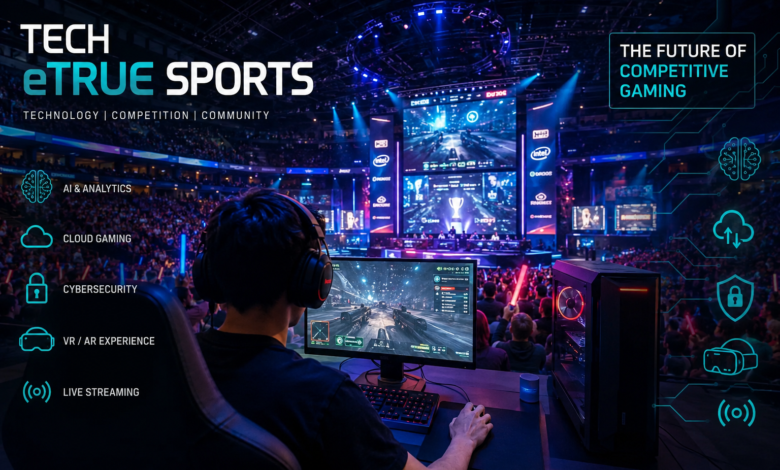
Tech eTrueSports: How Technology Is Transforming the Future of Competitive Gaming
Introduction
The world of sports and gaming has undergone a remarkable transformation over the last decade. Traditional sports are increasingly embracing digital technologies, while competitive gaming, commonly known as esports, has evolved into a global industry worth billions of dollars. At the center of this evolution is the growing relationship between technology and esports, often represented by the concept of Tech eTrueSports.
Tech eTrueSports represents the integration of advanced technology into competitive gaming, esports management, player development, audience engagement, and digital entertainment. From artificial intelligence and cloud gaming to data analytics and virtual reality, technology continues to reshape how esports competitions are played, watched, and managed.
As esports attracts millions of players and spectators worldwide, understanding the role of technology becomes increasingly important. This article explores how Tech eTrueSports is revolutionizing the gaming industry, the technologies driving innovation, and what the future may hold for competitive gaming.
Understanding Tech eTrueSports
Tech eTrueSports refers to the technological ecosystem that supports modern esports and competitive gaming. It includes hardware, software, analytics platforms, streaming technologies, communication tools, and emerging innovations designed to enhance gaming experiences.
Unlike traditional gaming, esports requires highly reliable infrastructure, real-time communication, advanced performance tracking, and seamless audience engagement. Technology serves as the foundation that makes professional gaming possible on a global scale.
The concept extends beyond gameplay itself. It encompasses tournament organization, player training, fan interaction, content creation, sponsorship management, and digital broadcasting.
The Rise of Esports in the Digital Era
Esports has grown from small local tournaments into massive international events attracting audiences comparable to traditional sporting competitions.
Several factors have contributed to this growth:
- Faster internet connectivity
- Improved gaming hardware
- Global streaming platforms
- Social media engagement
- Increased investment from sponsors
- Professional team organizations
- Advanced tournament technologies
Modern esports tournaments can attract millions of viewers simultaneously. Events are streamed globally, allowing fans to watch their favorite players and teams compete in real time.
Technology has been the driving force behind this rapid expansion, enabling global participation and creating new opportunities for players, organizations, and businesses.
The Role of Artificial Intelligence in Tech eTrueSports
Artificial Intelligence (AI) is becoming one of the most influential technologies in competitive gaming.
Performance Analysis
Professional esports teams use AI-powered analytics tools to evaluate player performance. These systems can analyze thousands of gameplay actions and identify patterns that may be difficult for human coaches to detect.
AI can help teams understand:
- Decision-making efficiency
- Reaction times
- Strategic weaknesses
- Opponent tendencies
- Resource management
- Team coordination
Training and Improvement
Machine learning systems can create personalized training programs for players based on their strengths and weaknesses.
Instead of relying solely on manual coaching, AI provides data-driven recommendations that help players improve specific skills.
Match Prediction
AI algorithms are also used to predict match outcomes by analyzing historical data, player statistics, and team performance trends.
These insights are valuable for teams, analysts, broadcasters, and esports enthusiasts.
Cloud Gaming and the Future of Competitive Play
Cloud gaming is changing how players access competitive gaming experiences.
Traditionally, high-performance gaming required expensive hardware. Cloud gaming allows players to access powerful gaming resources through remote servers.
Benefits include:
Accessibility
Players can compete using devices that may not have powerful hardware specifications.
Reduced Hardware Costs
Cloud infrastructure eliminates the need for constant hardware upgrades.
Global Participation
Players from different regions can access similar gaming environments, helping create a more level playing field.
Faster Updates
Developers can deploy updates and improvements more efficiently through centralized cloud systems.
As internet infrastructure continues to improve worldwide, cloud gaming is expected to play a larger role in Tech eTrueSports.
Data Analytics: The Secret Weapon of Professional Teams
Data analytics has become a critical component of competitive gaming.
Professional esports organizations collect massive amounts of gameplay data to improve performance and develop winning strategies.
Strategic Planning
Teams analyze data to understand opponent behavior and identify tactical opportunities.
Player Development
Performance metrics help coaches measure progress and design targeted training plans.
Injury Prevention
Long gaming sessions can contribute to physical strain. Analytics systems can monitor player behavior and encourage healthier gaming habits.
Recruitment
Organizations use performance data to identify promising talent and make informed recruitment decisions.
Data-driven decision-making has become a competitive advantage in modern esports.
Streaming Technology and Audience Engagement
One of the primary reasons esports has become so successful is the accessibility of live streaming technology.
Streaming platforms allow players and organizations to connect directly with global audiences.
Real-Time Interaction
Viewers can communicate with streamers through live chat features, creating a more interactive entertainment experience.
Content Creation
Professional players often build personal brands through streaming, attracting sponsorship opportunities and loyal fan communities.
Global Reach
A tournament held in one country can be viewed instantly by audiences across the world.
Revenue Opportunities
Streaming generates income through:
- Advertisements
- Sponsorships
- Donations
- Membership subscriptions
- Digital merchandise
Streaming technology continues to expand the reach and influence of Tech eTrueSports.
Virtual Reality and Augmented Reality in Esports
Emerging technologies such as Virtual Reality (VR) and Augmented Reality (AR) are creating new possibilities for competitive gaming.
Virtual Reality Competitions
VR esports provide immersive gaming experiences where players physically interact with virtual environments.
This creates a unique blend of physical activity and competitive gaming.
Enhanced Spectator Experiences
AR technology can display player statistics, game information, and real-time analytics directly within broadcasts.
Fans gain deeper insights into matches without interrupting the viewing experience.
Interactive Events
Future esports tournaments may allow audiences to experience competitions from virtual perspectives, creating entirely new forms of digital entertainment.
Cybersecurity in Tech eTrueSports
As esports becomes more valuable and competitive, cybersecurity has become increasingly important.
Professional gaming organizations face risks including:
- Account hacking
- Data breaches
- Tournament disruptions
- Cheating software
- DDoS attacks
- Identity theft
Strong cybersecurity measures help protect players, organizations, and tournament integrity.
Anti-Cheat Systems
Advanced anti-cheat technologies monitor gameplay and detect unfair advantages.
Secure Infrastructure
Tournament organizers invest heavily in secure networks and authentication systems to maintain fair competition.
Data Protection
Organizations must safeguard sensitive player information and proprietary strategies.
Cybersecurity remains a fundamental pillar of modern Tech eTrueSports operations.
Mobile Esports and Growing Accessibility
The rise of smartphones has significantly expanded the esports audience.
Mobile esports offers several advantages:
Lower Entry Barriers
Many players already own compatible devices.
Global Reach
Mobile gaming is particularly popular in regions where high-end gaming PCs are less accessible.
Competitive Opportunities
Professional mobile esports tournaments now offer substantial prize pools and international recognition.
Increased Participation
Millions of new players can participate in competitive gaming through mobile platforms.
Mobile esports continues to contribute to the growth of the global gaming ecosystem.
The Business Side of Tech eTrueSports
Technology has not only transformed gameplay but also created substantial business opportunities.
Sponsorships
Brands increasingly invest in esports due to its large and engaged audience.
Digital Advertising
Targeted advertising technologies help sponsors reach specific demographics.
Merchandise Sales
Technology enables online stores, digital collectibles, and customized merchandise experiences.
Media Rights
Broadcasting rights have become a major revenue source for tournament organizers.
Investment Opportunities
Technology-focused esports startups continue to attract investors seeking growth in the digital entertainment sector.
The business ecosystem surrounding Tech eTrueSports continues to evolve rapidly.
Health and Wellness Technologies for Esports Players
Professional gaming requires both mental and physical endurance.
Technology is helping organizations improve player health through:
Wearable Devices
Smart devices can monitor:
- Heart rate
- Sleep quality
- Stress levels
- Physical activity
Ergonomic Solutions
Advanced gaming chairs, keyboards, and peripherals help reduce strain during extended practice sessions.
Performance Monitoring
Health data allows coaches to create balanced schedules that support long-term player well-being.
As esports becomes increasingly professionalized, player health remains a priority.
Blockchain and Digital Ownership
Blockchain technology is beginning to influence the esports industry.
Potential applications include:
Secure Transactions
Blockchain can facilitate transparent financial transactions.
Digital Collectibles
Players and fans can own verified digital items and collectibles.
Tournament Transparency
Smart contracts may automate prize distribution and competition management.
Fan Engagement
Blockchain-powered systems could introduce new methods of community participation and rewards.
Although still developing, blockchain technology may become an important component of future Tech eTrueSports ecosystems.
Challenges Facing Tech eTrueSports
Despite its rapid growth, several challenges remain.
Infrastructure Gaps
Not all regions have access to reliable high-speed internet.
Regulatory Issues
Esports regulations vary significantly between countries.
Cybersecurity Threats
Growing popularity attracts increasingly sophisticated attacks.
Player Burnout
Intense competition can create physical and mental stress.
Technology Costs
Advanced infrastructure and equipment can require substantial investment.
Addressing these challenges will be essential for sustainable industry growth.
The Future of Tech eTrueSports
The future of Tech eTrueSports looks exceptionally promising.
Several trends are expected to shape the next generation of competitive gaming:
- More advanced artificial intelligence
- Faster cloud gaming services
- Improved virtual reality experiences
- Enhanced audience interaction tools
- Better cybersecurity systems
- Greater use of predictive analytics
- Expanded mobile esports markets
- Integration of blockchain technologies
- Global tournament accessibility
- Personalized fan experiences
As technology continues to evolve, esports will likely become even more immersive, competitive, and accessible.
Conclusion
Tech eTrueSports represents the powerful combination of technology and competitive gaming. Through innovations such as artificial intelligence, cloud computing, data analytics, virtual reality, cybersecurity, and mobile gaming, the esports industry continues to break new ground.
Technology has transformed esports from a niche hobby into a global entertainment phenomenon that attracts millions of players, fans, sponsors, and investors. As new technologies emerge, the relationship between innovation and competitive gaming will only grow stronger.
Organizations that embrace technological advancement will be better positioned to succeed in this rapidly changing environment. For players, teams, businesses, and fans alike, Tech eTrueSports offers a glimpse into the future of digital competition and interactive entertainment.
The journey is only beginning, and the next chapter of esports innovation promises to be more exciting than ever before.